
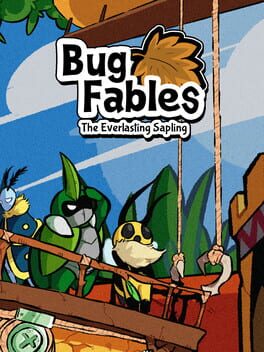
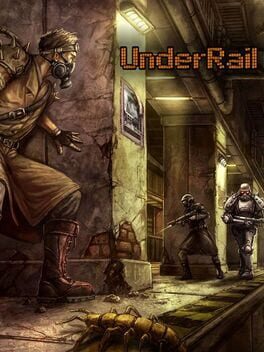
Bug Fables: The Everlasting Sapling vs UnderRail
7/10Match score
Higher community rating
Bug Fables: The Everlasting Sapling
+8
rating points
More player ratings
Bug Fables: The Everlasting Sapling
24 ratings
Quick Take
Shared Taste
Single playerThird personAdventure
Bug Fables: The Everlasting Sapling Stands Out
Fantasyturn-based combatbugs
UnderRail Stands Out
craftingturn-basedapocalypse
Higher Rated
Bug Fables: The Everlasting Sapling
Similarity Breakdown
Same
Game Modes
Same
Perspective
Same
Genres
Similar
Themes
Different
Features
Shared
Game Modes
Single player
Perspective
Third person
Genres
AdventureIndieRole-playing (RPG)Turn-based strategy (TBS)
Themes
ActionScience fiction
Key Differences
Themes
Bug Fables: The Everlasting Sapling
Fantasy
UnderRail
-Features
Bug Fables: The Everlasting Sapling
turn-based combatbugsindiegogoroaming encountersbeesinsects
UnderRail
craftingturn-basedapocalypsepersistent worldpost-apocalyptic4 player co-op
Side-by-Side Comparison
| Feature | Bug Fables: The Everlasting Sapling | UnderRail |
|---|---|---|
| Release Date | Nov 21, 2019 | Sep 24, 2013 |
| Rating | 84/100 (24 ratings) | 76/100 (15 ratings) |
| Genres | AdventureIndieRole-playing (RPG)Turn-based strategy (TBS) | AdventureIndieRole-playing (RPG)Turn-based strategy (TBS) |
| Themes | ActionFantasyScience fiction | ActionScience fiction |
| Features | turn-based combatbugsindiegogoroaming encountersbeesinsects | craftingturn-basedapocalypsepersistent worldpost-apocalyptic4 player co-opdestructible environmentswimmingundeadunderwater gameplayhumansingle-player only |
| Game Modes | Single player | Single player |
| Player Perspective | Third person | Third person |
| Platforms | Nintendo Switch, PC (Microsoft Windows), PlayStation 4, Xbox One | PC (Microsoft Windows) |
Comparison Summary
Bug Fables: The Everlasting Sapling and UnderRail have a 7/10 match score. Both games overlap around Single player, Third person, Adventure, Indie, Role-playing (RPG), Turn-based strategy (TBS).
Bug Fables: The Everlasting Sapling stands out for Fantasy, turn-based combat, bugs, indiegogo, while UnderRail stands out for crafting, turn-based, apocalypse.
Bug Fables: The Everlasting Sapling has the higher community rating in the current dataset. Players who enjoy Single player, Third person, Adventure are the most likely to find value in both.
Continue Exploring
Games like Bug Fables: The Everlasting SaplingFind games similar to Bug Fables: The Everlasting SaplingGames like UnderRailFind games similar to UnderRailBug Fables: The Everlasting Sapling vs DRAGON QUEST® XI S: Echoes of an Elusive Age™ - Definitive EditionCompare with Bug Fables: The Everlasting SaplingBug Fables: The Everlasting Sapling vs LunarLuxCompare with Bug Fables: The Everlasting SaplingUnderRail vs LunarLuxCompare with UnderRailUnderRail vs The SurgeCompare with UnderRail